Real-world English
Build English for real conversations
Study through real videos and adult topics, with vocabulary, phrases, grammar, and conversation support built for work, technology, business, culture, and ideas.


Why it works
Real lessons for adults who want more than app practice.
Teacher-built
Shaped by real adult learners
The lessons come from working teaching material, refined around the questions and language adults actually use.
Real input
Every lesson starts with a video
Authentic source material gives each page a real idea to understand before the language work goes deeper.
Open access
Useful lesson depth on every page
Watch the video, read the summary, and work through the language notes without extra steps.
Speaking depth
Built for better conversations
Vocabulary, phrases, grammar, discussion prompts, and guides help you move from comprehension into speaking.
What's Inside
A full learning toolkit for ideas worth talking about.
Each lesson starts with a real-world topic, then turns it into usable English: what to understand, what to notice, and what to say when the conversation gets interesting.
Vocabulary
leverage
The power to influence a situation or outcome in your favor.
Grammar
would + base verb
A soft, practical pattern for proposals, negotiation, and polite disagreement.
Conversation Guide
Start from the central question, use the prompts to test your opinion, and recycle the language until it feels natural in real conversation.
Open Lesson
Understand the idea
Open any lesson for the video, adult summary, central question, and enough context to know what the conversation is about.
Language Notes
Learn useful language
Definitions, examples, collocations, and phrase groups help you reuse the language in professional and everyday discussion.
Practice Support
Speak and write with support
Targeted grammar patterns, discussion questions, writing prompts, and conversation guides keep the lesson practical.
Topic Tracks
Choose a topic worth talking about.
Browse lessons by the ideas you want to discuss, then open the video, summary, language notes, and speaking prompts.
 B2
B2Business
Why is Everyone So Obsessed with Sushi? - Rory Sutherland
Marketing, framing, and context heavily dictate human perception and the perceived value of products, services, and ideas. Items like ice baths, sushi, and miso soup gain massive appeal not through objective evaluation, but through clever branding and high-status cultural framing. Even life-saving historical breakthroughs, such as the smallpox vaccine, required strategic marketing and high-status endorsements to gain public acceptance.
 A2
A2Personal Development
Set Up My iPad with Me | Unboxing and Tour
A user unboxes and sets up a light blue 11-inch iPad Air with an Apple Pencil Pro and a matching protective case. To maintain focus, she organizes her home screen into two main pages using practical widgets like calendars, to-do lists, and notes. The first page features creative and social media apps, while the second page handles admin tasks, work tools, and study resources. Adopting the device allows her to separate work tasks from her mobile phone, establishing better boundaries and improving her sleep habits.
 C2
C2Management
Why Corporate America Is Obsessed With "Company Culture"
Corporate America's obsession with company culture often manifests through forced team-building activities, open-plan offices, and specialized culture managers, yet these tactics frequently alienate employees rather than improve morale. Companies prioritize corporate culture for several strategic reasons: to exert cult-like control and language conditioning that encourages longer hours for lower pay, to reduce bad publicity and mitigate workplace misconduct risks, to copy successful tech industry trends while cutting real estate costs, and to motivate a modern workforce that no longer values traditional long-term career loyalty. Ultimately, when culture is weaponized for corporate profit and control, it can stifle free thinking, heighten employee stress, and drive away top talent.
 B2
B2Finance
So does private equity own everything?
Private equity firms manage trillions of dollars by acquiring direct stakes in private companies, often using high-debt leveraged buyouts funded by public pensions and institutional investors. While proponents argue that private equity provides essential capital and operational improvements to underperforming businesses, critics point out that debt-heavy acquisitions frequently lead to bankruptcies, job cuts, higher consumer costs, and degraded services in essential sectors like health care. Despite growing controversy, light regulatory oversight, tax advantages like carried interest, and extensive political lobbying have allowed private equity executives to accumulate immense wealth while operating largely out of the public eye.
 B1
B1Business
YouTube's copyright system isn't broken. The world's is.
YouTube's copyright system acts as a functional workaround for a globally outdated legal framework that was designed for large corporations with legal teams rather than independent digital creators. Because enforcing fair use and navigating complex copyright licensing in court is prohibitively expensive for individuals, platforms rely on automated compromises like Content ID. To genuinely resolve these tensions, global copyright laws must be modernized for the internet age, accessible small-claims court options should be established for creator disputes, and excessively long copyright protection terms should be reduced to replenish the public domain.
 B2
B2Economics
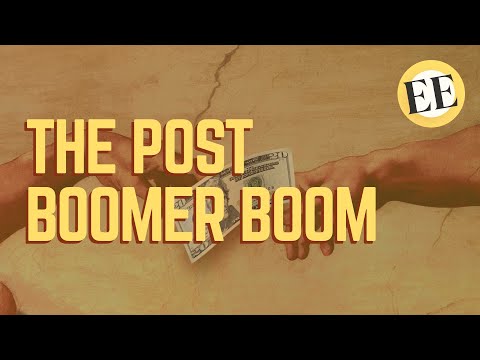
The Biggest Wealth Transfer in History is Upon Us
The impending shift of an estimated $30 trillion in assets from the baby boomer generation to younger heirs represents the largest wealth transfer in history. While this financial influx could help younger generations pay off debt or boost consumer spending, much of the liquid inheritance may be quickly spent rather than strategically invested. Furthermore, a major portion of this wealth consists of private, family-run businesses that face high failure rates during generational transitions. Mismanaging this transfer or imposing heavy estate tax burdens could disrupt these enterprises, leading to broader economic friction, job losses, and supply chain issues despite creating new market opportunities.
How It Works
Spacious, calm, and built to move from watching to speaking.
Step 01
Pick a topic
Start with a real video about work, technology, business, culture, science, or society.
Step 02
Study the lesson
Use the summary, vocabulary, phrases, grammar, and prompts to turn the topic into active English.
Step 03
Use the speaking guide
Use the guides for useful angles, follow-up prompts, and language to recycle in conversation.
Start With A Topic
Open lessons for real conversations.
Browse the library, pick a real video, and use the language breakdown, discussion prompts, and conversation guides in one place.